
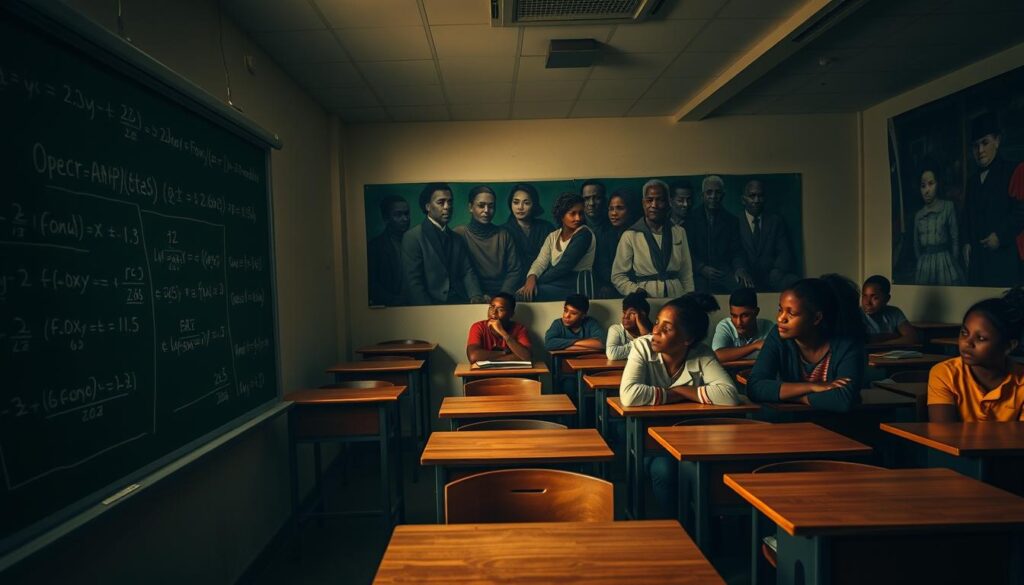
For years, we’ve judged schools like they’re on a TV show, all show and no substance. We’ve focused too much on test scores, ignoring what really happens in classrooms.The No Child Left Behind era brought us cheating scandals and a narrow focus. It was like blaming the thermometer for the fever. But, recent research from…
For years, we’ve judged schools like they’re on a TV show, all show and no substance. We’ve focused too much on test scores, ignoring what really happens in classrooms.
The No Child Left Behind era brought us cheating scandals and a narrow focus. It was like blaming the thermometer for the fever. But, recent research from the University of Colorado’s Schools of Opportunity project shows a better way.
By tackling opportunity gaps, we can close achievement gaps too. The real issue isn’t why some students struggle. It’s why we’ve given them different resources from the start.
These top schools show that challenging learning opportunities can change everything. It’s time to stop just treating symptoms and tackle the causes of achievement gap head-on.
Socioeconomic Status
The American dream promises equal chances for everyone, but our school funding system is far from fair. Your zip code shouldn’t decide your education, yet it does. We live in a country where the value of homes affects what schools get.
Property taxes play a big role in this unfair system. Rich areas with expensive homes get a lot of money for schools. But poor areas struggle to get basic things. Baker’s 2017 study showed a huge gap in how resources are shared.
Studies show that suburban areas spend way more on schools than cities like Chicago. This extra money means smaller classes, better technology, and more teachers. It’s like having a huge advantage in a fight.
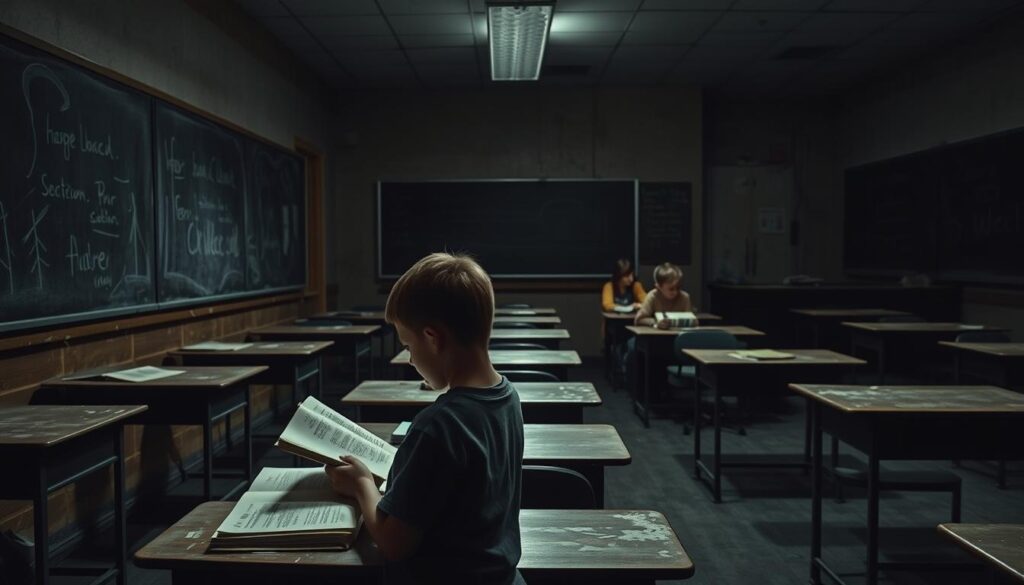
But what’s really sad is that we know money helps. Jackson’s 2018 study found that spending more leads to:
- More years of education
- Higher wages later on
- Big improvements for poor students
For kids from poor families, more money could close the achievement gap. The facts are clear – we need to change how we fund schools.
| School District Type | Average Per-Student Funding | Graduation Rate | College Attendance Rate |
|---|---|---|---|
| High-income suburban | $18,000-$25,000 | 94% | 88% |
| Urban low-income | $8,000-$12,000 | 68% | 42% |
| Rural disadvantaged | $9,000-$14,000 | 72% | 47% |
Massachusetts, New Jersey, and Minnesota fixed the funding problem. They made funding fairer and narrowed the achievement gap. Lafortune’s 2018 study shows these states made real progress toward equal education.
The real question is why we accept funding systems that create achievement gaps. We have the data, successful examples, and a moral duty. The big question is: will we make education fair for all, no matter where you live?
Race, Ethnicity & Language Barriers
Let’s face the truth about racial gaps in education. The data shows clear funding disparities. Black students get $400 less per pupil than White students. Latino students receive $1,200 less. This isn’t an achievement gap; it’s a funding gap masquerading as equality.
But there’s more. Lincoln High School in Nebraska chose to celebrate diversity instead of fighting it. With students speaking over 30 languages and 65% on free lunch, they could have played the “disadvantaged” card. Instead, they:
- Hosted annual bilingual career fairs linking language skills to jobs
- Started heritage language programs that prepare for AP tests
- Implemented PBIS systems, cutting disciplinary referrals by 23%
The real causes of achievement gap aren’t language or culture. They’re our imagination’s limits in education. We’ve built systems that stifle diversity, not celebrate it.
National Academies research backs up Lincoln High’s findings. Structural issues, not student abilities, create these gaps. Schools that focus on culturally responsive teaching see better results. Funding that matches student needs, not property values, also makes a difference.
The opportunity gap isn’t about what students lack. It’s about what the system denies them. We’re dealing with gaps in empathy, creativity, and courage in leadership.
Until we tackle these deep racial differences in education, we’re just rearranging deck chairs. The answer isn’t more tests. It’s listening to schools like Lincoln High about the true causes of achievement gap.
Special Education & Disabilities
If our education system were a Broadway show, special education would be the understudy that never gets to perform. The spotlight rarely shines here, despite it being one of the most critical stages for achieving true education equity.
Students with disabilities face a tough gap. They get less funding and fewer qualified teachers. It’s like being handed a Ferrari with an empty gas tank.

Cruz’s 2020 research shows something interesting. More money for special education helps all students. But, high-poverty schools can’t use this help because they lack certified teachers. The money’s there, but the expertise isn’t.
The National Academies research confirms what many of us suspect: disability disparities aren’t about student capabilities. They’re about systemic failures. We’ve created a system that sees diagnostic labels instead of human talent.
Gage and colleagues’ PBIS studies (2015, 2017) show positive behavior interventions reduce disciplinary issues by up to 60%. This matters because students with disabilities face exclusion at dramatically higher rates.
Yet most schools treat special education as a separate department. It’s the educational equivalent of having a VIP section that nobody wants to visit.
The real disability isn’t in the students – it’s in a system that can’t see past paperwork to actual talent. We’re measuring compliance when we should be measuring growth.
True education equity means recognizing that special education isn’t a separate category. It’s the ultimate test of whether our system can adapt to human diversity, not the other way around.
Policy Factors
If educational policy were a movie, it would be a bad reboot of “Groundhog Day” and “Mission: Impossible”. We keep trying the same things but expect different results. Our system is slow and unfair, making the causes of achievement gap worse.
Students report to teachers, teachers to principals, and so on. But where’s the support going back down? It’s like a one-way street in a city that needs two-way traffic.
The Schools of Opportunity project shows what happens when policies support good practices. These schools use tests that help students learn more, not just pass. They also teach content that fits the students’ culture, not just what’s banned.
But, these schools succeed despite the bad policies, not because of them. Success often means working around the rules, not with them.
Funding is another big problem. Look at how much money schools get:
| Funding Source | High-Income Districts | Low-Income Districts | Disparity Impact |
|---|---|---|---|
| Local Property Taxes | $12,000-15,000/student | $5,000-8,000/student | Limited resources for interventions |
| State Funding | Supplemental programs | Basic requirements only | Reduced support services |
| Federal Grants | Enhanced applications | Underutilized opportunities | Missed funding avenues |
| Private Donations | Robust booster clubs | Minimal community support | Extracurricular inequality |
This gap in funding is like “educational redlining”. Rich areas get better resources, while poor areas struggle to get basics.
Our accountability systems focus on the wrong things. We’re so focused on test scores that we:
- Teach to the test instead of teaching to think
- Narrow the curriculum, cutting out arts and creativity
- Create stressful environments for students and teachers
- Collect too much data that doesn’t help
Our policies are like a game of Jenga. We keep removing support while expecting the system to work better. Until we fix these policy issues, we’re just rearranging chairs on the sinking ship of education.
What if we changed policies to support schools instead of punishing them? Imagine funding that’s fair and measuring growth, not just compliance. The Schools of Opportunity project shows it’s possible. Now, we need the courage to make it policy.
Conclusion
We’ve diagnosed the problem, and it’s serious. Our education system is like a medical drama. We treat symptoms but ignore the real issue. The National Center for Biotechnology Information shows huge funding gaps. New York spends triple what Idaho does per student, and 21 states fund poorer districts less. This is unfair and wrong.
The solutions are clear. Investing more in education works. A 22.7% funding increase for low-income students could close achievement gaps. Schools like Lincoln High show that changing teaching methods can make a big difference. But, we can’t just fix things temporarily when the foundation is weak.
True education equity means we must address both classroom needs and societal issues. We can’t just fix schools without fixing society too. It’s time to do both to avoid leaving another generation behind.
James develops culturally responsive teaching frameworks and equity audit tools used by
over 150 school districts. A former high school teacher, he brings classroom experience to…