

In 2026, the U.S. Department of Education’s Office for Civil Rights (OCR) signaled a significant shift in how it enforces Title IX by rescinding or revisiting previously negotiated settlement agreements with colleges and universities. These agreements, often reached after lengthy investigations into sexual misconduct or gender discrimination, have historically served as binding roadmaps for institutional…
In 2026, the U.S. Department of Education’s Office for Civil Rights (OCR) signaled a significant shift in how it enforces Title IX by rescinding or revisiting previously negotiated settlement agreements with colleges and universities. These agreements, often reached after lengthy investigations into sexual misconduct or gender discrimination, have historically served as binding roadmaps for institutional reform.
Title IX, enacted in 1972, prohibits sex-based discrimination in federally funded education programs. Over the past decade, enforcement has evolved through a combination of federal guidance, regulatory changes, and negotiated settlements. The decision to unwind certain agreements reflects a broader reconfiguration of federal priorities—one that could reshape how institutions approach compliance and how students experience protection on campus.
What Title IX Settlements Have Traditionally Done
Title IX settlement agreements are typically the result of OCR investigations into whether institutions failed to respond appropriately to reports of sexual harassment, assault, or gender-based discrimination. These agreements often require:
- Revisions to institutional policies
- Mandatory training for staff and students
- Improved reporting and response systems
- Ongoing federal monitoring
They function as both corrective tools and preventive frameworks, ensuring that institutions not only address past failures but also reduce the likelihood of future harm.
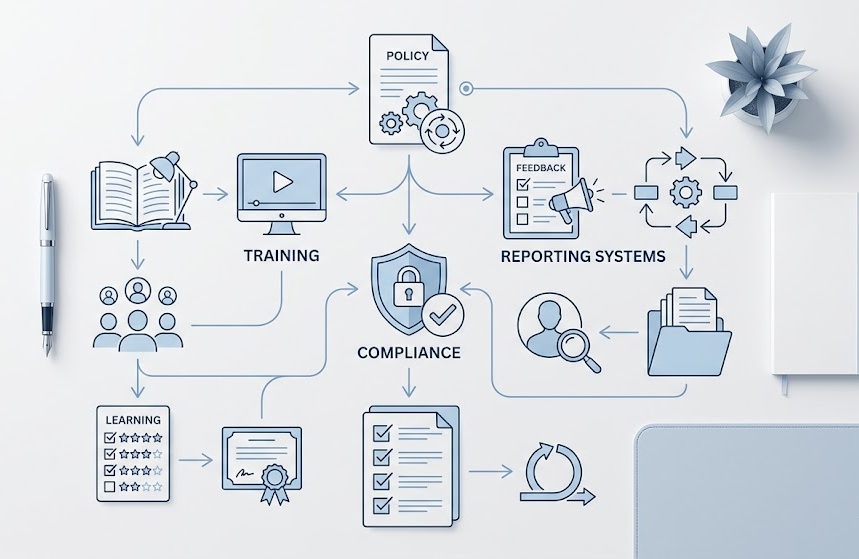
By rescinding or modifying these agreements, OCR is effectively recalibrating the balance between federal oversight and institutional autonomy.
Why OCR Is Reconsidering Past Agreements
The decision to rescind settlements is tied to shifting interpretations of federal authority and regulatory scope. Following multiple changes to Title IX regulations between 2020 and 2024, some existing agreements were deemed inconsistent with current policy frameworks.
Federal officials have suggested that earlier settlements may have imposed requirements exceeding statutory or regulatory mandates. In this context, rescinding agreements is framed as an effort to ensure that enforcement aligns strictly with current law.
However, this approach raises concerns among advocates and policymakers who argue that settlements often go beyond minimum compliance precisely because they address systemic issues that standard regulations may not fully capture.
Immediate Implications For Students
For students, the rescinding of Title IX settlements introduces uncertainty about how institutions will handle complaints and maintain safe learning environments.
The impact may vary significantly depending on the institution, but key areas of concern include:
| Area | Under Settlement Agreements | After Rescission |
|---|---|---|
| Reporting Systems | Federally monitored improvements | Potential variation by institution |
| Response Timelines | Structured and enforced | Less uniform enforcement |
| Training Requirements | Mandatory and standardized | May be reduced or decentralized |
| Accountability | Ongoing OCR oversight | Limited federal monitoring |
| Student Confidence | Reinforced by federal involvement | Potential erosion of trust |
These changes do not eliminate Title IX protections, but they may alter how consistently those protections are implemented across campuses.
Institutional Decision-Making In A Less Prescriptive Environment
With fewer binding federal agreements in place, universities now have greater discretion in designing their Title IX policies. This increased flexibility allows institutions to tailor approaches to their specific contexts, but it also introduces variability in student experience.
Some universities may maintain robust systems developed under prior settlements, recognizing their value in promoting safety and trust. Others may scale back certain measures, particularly if they are resource-intensive or politically contentious.
This shift mirrors broader patterns in higher education governance, where institutions are navigating evolving federal expectations while managing internal pressures and external scrutiny.
The Intersection With Campus Climate And Civil Rights Enforcement
The rescinding of Title IX settlements does not occur in isolation. It intersects with ongoing federal attention to campus climate under other civil rights frameworks, including Title VI.

As discussed in our analysis of campus climate investigations and federal oversight, institutions are increasingly evaluated not just on formal compliance, but on the lived experiences of students. The removal of structured settlement agreements may complicate this evaluation, making it harder to assess whether campuses are effectively addressing harm.
In this context, the distinction between compliance and climate becomes even more significant.
Legal And Policy Context Shaping The Shift
The evolving Title IX landscape reflects broader legal debates about the scope of federal authority in education. Courts and policymakers have grappled with questions such as:
- How far can federal agencies go in imposing requirements beyond statutory text?
- What constitutes sufficient institutional response to allegations of misconduct?
- How should due process protections be balanced with survivor support?
Recent updates from the U.S. Department of Education Title IX guidance illustrate how these questions are shaping current enforcement strategies.
The rescinding of settlements can be seen as part of a larger effort to standardize enforcement around formal regulations, rather than case-specific agreements.
The Risk Of Uneven Protection Across Campuses
One of the most significant risks associated with this shift is the potential for uneven protection across institutions. Without consistent federal oversight through settlements, the quality and effectiveness of Title IX implementation may vary widely.

This variability could affect:
- Access to support services for survivors
- Clarity of reporting procedures
- Consistency in disciplinary outcomes
- Overall campus trust in institutional processes
For students, this means that the level of protection they receive may depend more heavily on where they enroll—a dynamic that raises important equity concerns.
Rethinking Prevention And Accountability
The rescinding of settlements also invites a broader reconsideration of how universities approach prevention and accountability. Rather than relying on externally imposed frameworks, institutions may need to develop more internally driven strategies that prioritize:
- Transparent reporting systems
- Survivor-centered support services
- Proactive education and prevention programs
- Continuous assessment of campus climate
These approaches require sustained commitment and resources, particularly in the absence of federal mandates.
What This Means For The Future Of Student Protections
The decision by OCR to rescind Title IX settlements marks a turning point in federal enforcement. It shifts responsibility more directly onto institutions while reducing the role of case-specific federal oversight.
For students, this creates both challenges and opportunities. While some institutions may innovate and strengthen their approaches, others may struggle to maintain consistency without external pressure.
The long-term impact will depend on how universities respond—and whether they treat Title IX not just as a compliance requirement, but as a core component of student safety and equity.
In an environment where federal guidance continues to evolve, the effectiveness of Title IX will increasingly be defined at the institutional level. The question is no longer just what the law requires, but how universities choose to interpret and implement it in practice.
James develops culturally responsive teaching frameworks and equity audit tools used by
over 150 school districts. A former high school teacher, he brings classroom experience to…