

Ever feel like understanding education mandates is like trying to solve a Rubik’s Cube blindfolded? Let’s cut through the noise together.Here’s the plot twist: ESSA actually gives us more leverage for fairness than NCLB ever dreamed of. Federal rules now demand states tackle resource gaps and use multiple success measures.They even require actual per-pupil spending…
Ever feel like understanding education mandates is like trying to solve a Rubik’s Cube blindfolded? Let’s cut through the noise together.
Here’s the plot twist: ESSA actually gives us more leverage for fairness than NCLB ever dreamed of. Federal rules now demand states tackle resource gaps and use multiple success measures.
They even require actual per-pupil spending reports. Hello, transparency!
States like New Hampshire and Oregon are rewriting the playbook. They’re looking beyond basic academics to measure real student readiness.
The NCAN dashboard shows eight critical levers that can transform college preparation. This is where federal meets state meets local in a powerful mix of educational approaches.
Think of this as your starter kit to smarter educational approaches. Let’s dive in.
Case Law & Legislation
Education equity battles go way back, even before Brown v. Board. Literacy was once a crime, thanks to slave codes. This shows how deep-seated our system’s inequities are.
The Every Student Succeeds Act (ESSA) is a big step forward. It’s like moving from a flip phone to a smartphone. It’s a major change in how we fight for advocacy for education equity.
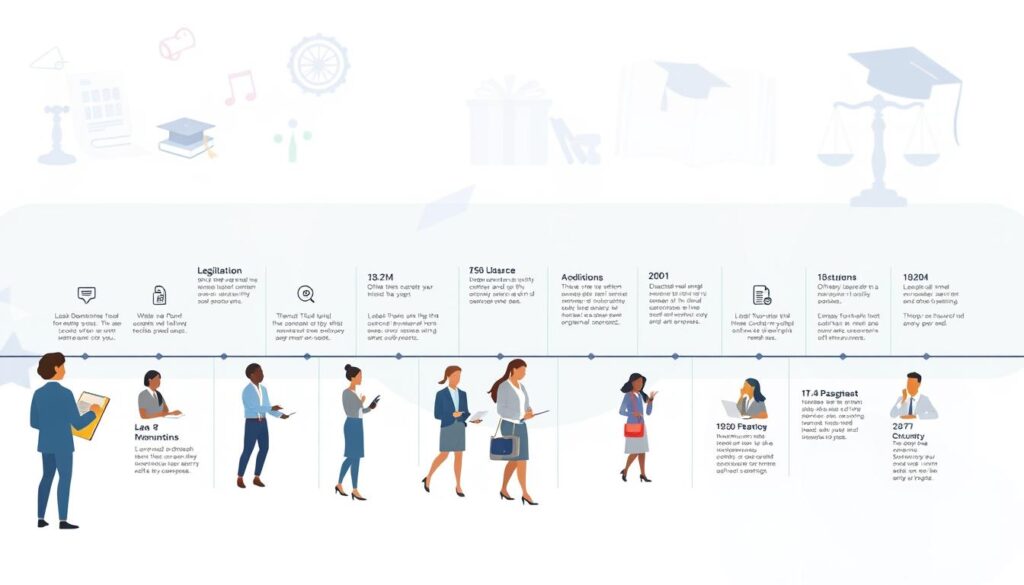
ESSA’s “supplement, not supplant” rule is key. It makes sure Title I schools get their fair share of funds. This rule is about fairness, not just numbers.
The law also supports weighted student funding pilots. This means schools can focus on what each student needs. It’s a fairer way to fund education.
ESSA also requires schools to use evidence-based methods. This means no more guessing games in education. Schools must use proven strategies.
This law didn’t come out of nowhere. It’s based on years of legal fights and landmark court cases. It’s a big step towards fairness, even if we’re not there yet.
What’s great about ESSA is its focus on more than just test scores. It looks at school climate, student engagement, and more. This is a better way to measure success in schools.
This change is important because it turns advocacy for education equity into real action. We’re not just talking about fairness anymore. We’re making systems that demand it.
Policy Advocacy Tactics
If education equity were a video game, policy advocacy would be the cheat codes that actually work. Forget button-mashing – this is about precision inputs and strategic combos. NCAN’s state policy working groups have cracked the code, showing how research and relationships can move mountains (or at least state legislatures).
Their approach reads like a masterclass in political jiujitsu: using eight key policy levers to create systemic change. We’re talking everything from FAFSA completion data to dual enrollment expansion – the kind of stuff that makes education nerds swoon. It’s not sexy, but it’s effective.
Now let’s layer in the Sustainability Directory’s brilliant framework: Aspire, Adapt, Amplify. First, dream big about equitable systems – because if you’re not aiming for transformation, you’re just rearranging deck chairs. Then tailor strategies to local contexts, because what works in California might flop in Kansas. Lastly, build collective impact by amplifying voices that matter.
This isn’t about shouting into the void. It’s strategic pressure on the right levers at the right time. Think of yourself as an educational locksmith – finding which keys turn which locks in the policy machinery. The tools might include:
- Coalition building with unlikely allies
- Cultivating champions who actually understand the assignment
- Developing messaging that doesn’t put people to sleep
- Using data as your secret weapon
The real magic happens when you combine research with relationships. Data opens doors, but trust keeps them open. It’s the difference between being heard and being ignored in the crowded arena of equity education policy.
So grab your advocacy playbook and remember: small victories compound. Each policy change creates ripple effects that can transform entire systems. Now go be the educational locksmith your community needs.
Mobilizing Stakeholders
Ever tried organizing a coalition for education equity? It’s like herding cats with competing priorities and full calendars. Teachers grade papers, parents juggle jobs, and policymakers make policies. Yet, we’re trying to build a movement that actually moves.
The Every Student Succeeds Act (ESSA) gives us leverage. It requires states to include multiple measures of school quality. Parent and community engagement must be part of the equation. Suddenly, PTA meetings are about more than bake sales—they’re about accountability.

NCAN’s community of practice model shows how this works. They create spaces for advocates to discuss, debrief, and learn from experts. It’s like a book club for policy wonks, but with better outcomes and less wine.
The real magic happens when we make equity personal. Data about per-pupil spending disparities tells a story. It shows why one school has new textbooks while another has leaking ceilings. Weighted funding models become tangible when parents see how they could transform their local schools.
Effective stakeholder engagement connects policy changes to real student experiences. It’s not about filling rooms for photo ops. It’s about building movements that sustain pressure beyond the next news cycle.
Different stakeholders respond to different messaging strategies. Here’s how to tailor your approach:
| Stakeholder Group | Primary Concern | Effective Messaging | Action Trigger |
|---|---|---|---|
| Parents | Child’s daily experience | How policy affects classroom resources | Direct impact on their child |
| Teachers | Workload and resources | Professional development opportunities | Classroom implementation |
| Administrators | Accountability metrics | ESSA compliance requirements | Data-driven outcomes |
| Policymakers | Political viability | Community support evidence | Electoral consequences |
The table reveals an uncomfortable truth: everyone comes to the equity conversation with different priorities. The art of advocacy for education equity lies in speaking all these languages simultaneously.
Remember those policy levers we discussed? They only work when multiple hands are pulling them together. Community engagement becomes powerful when it’s strategic, sustained, and slightly stubborn.
This approach transforms abstract policy debates into human stories. It turns data points into dinner table conversations. Most importantly, it builds coalitions that can actually change systems, not just complain about them.
The best advocacy for education equity doesn’t just mobilize people—it transforms spectators into stakeholders, and stakeholders into champions. Because nothing changes until someone decides they’re tired of the status quo.
Stories from the Field
Policy documents often sit untouched. But real change happens when equity education policy meets students in classrooms. It’s like the difference between reading a recipe and actually tasting the cake.
New Hampshire’s competency-based assessments show this. They’ve moved away from simple multiple-choice tests to measure real critical thinking. At the same time, NCAN’s work with 15 states has boosted FAFSA completion rates. More students get into dual enrollment and receive need-based aid.
These aren’t just wins in reports. They’re students getting chances they might have missed. The right early intervention programs turn possibilities into real achievements.
Good equity education policy makes these stories real. It turns advocacy into real change for students. The proof is clear: when policy meets practice, students win.
James develops culturally responsive teaching frameworks and equity audit tools used by
over 150 school districts. A former high school teacher, he brings classroom experience to…