
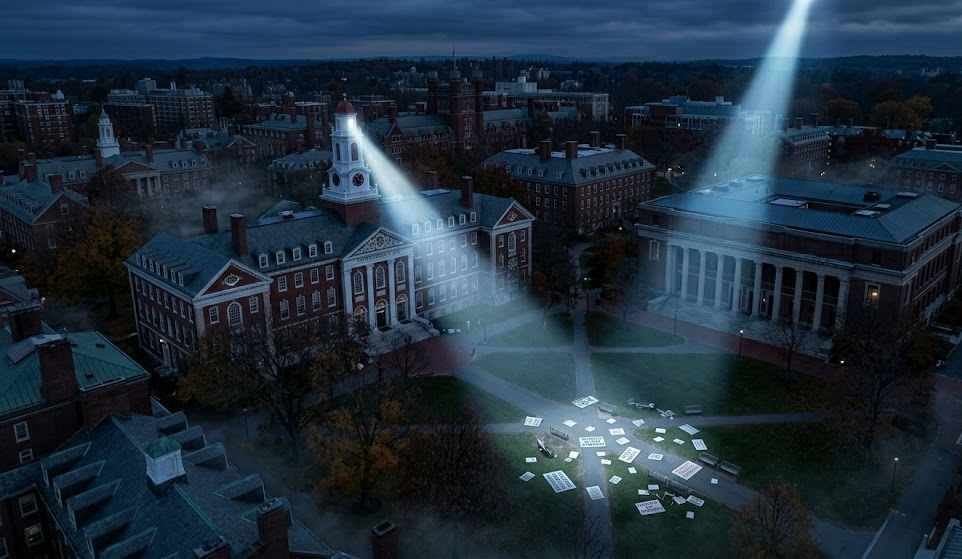
Harvard University once again finds itself at the center of federal scrutiny in 2026, as two separate investigations—one focused on admissions practices and another on campus climate and discrimination concerns—have reignited debate over accountability at elite institutions. Following the U.S. Supreme Court’s 2023 decision in Students for Fair Admissions v. Harvard, which effectively ended race-conscious…
Harvard University once again finds itself at the center of federal scrutiny in 2026, as two separate investigations—one focused on admissions practices and another on campus climate and discrimination concerns—have reignited debate over accountability at elite institutions.
Following the U.S. Supreme Court’s 2023 decision in Students for Fair Admissions v. Harvard, which effectively ended race-conscious admissions, universities across the country were forced to reconfigure how they evaluate applicants. Harvard publicly committed to complying with the ruling, but critics—including advocacy groups and policymakers—have questioned whether indirect mechanisms may still be shaping demographic outcomes.
The U.S. Department of Education’s Office for Civil Rights (OCR) has reportedly initiated a probe examining whether Harvard’s current admissions framework adheres strictly to federal guidelines. The investigation focuses on whether factors such as essays, extracurricular profiles, and geographic considerations may be functioning as proxies for race—an issue that has become a central tension in post-affirmative-action admissions policy.
Campus Climate Concerns Escalate Into Federal Action
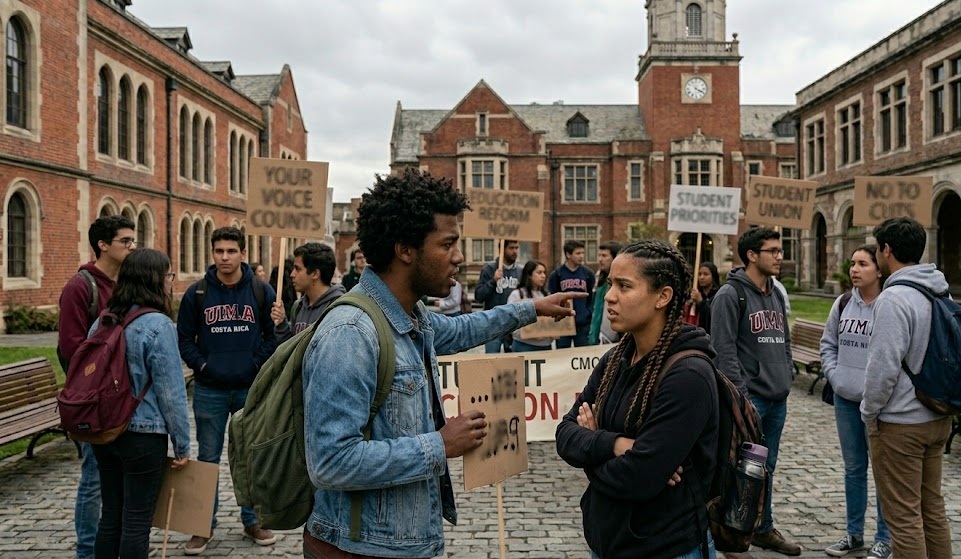
Parallel to the admissions investigation, Harvard is also under federal review regarding campus climate issues, particularly related to allegations of discrimination and student safety. These concerns intensified after a series of high-profile campus incidents in late 2025 and early 2026 involving student protests, reported bias incidents, and debates over institutional response policies.

Federal authorities are examining whether Harvard has adequately enforced Title VI of the Civil Rights Act, which prohibits discrimination based on race, color, or national origin in programs receiving federal funding. The scope of the inquiry includes:
- University responses to reported harassment incidents
- The effectiveness of bias reporting systems
- Policies governing protests and free expression
The dual nature of these probes places Harvard in a uniquely complex position—simultaneously defending its admissions integrity while addressing concerns about the lived experiences of students on campus.
Timeline Of Key Developments
| Date | Event |
|---|---|
| June 2023 | Supreme Court rules against race-conscious admissions |
| Late 2025 | Campus protests and discrimination complaints intensify |
| January 2026 | Federal agencies begin reviewing campus climate concerns |
| Early 2026 | OCR opens inquiry into admissions practices compliance |
This timeline illustrates how quickly post-2023 policy changes have evolved into broader institutional challenges.
The Legal And Policy Implications For Higher Education
Harvard’s situation is not occurring in isolation. Universities nationwide are navigating a shifting regulatory landscape where compliance is increasingly scrutinized not just in policy, but in outcomes.
Legal experts suggest that the admissions probe could establish new precedents regarding what constitutes “race-neutral” evaluation. If federal investigators determine that certain admissions components indirectly reintroduce racial considerations, it could force institutions to further restrict holistic review practices.
Meanwhile, the campus climate investigation signals a broader federal priority: ensuring that universities maintain environments free from discrimination while balancing free speech protections. This tension has become especially visible at large, politically active campuses.
For a broader overview of how federal oversight is evolving in education, see this U.S. Department of Education policy updates, which outline recent enforcement trends and compliance expectations.
Institutional Response And Public Perception
Harvard has responded by emphasizing its commitment to both legal compliance and student well-being. University officials have stated that admissions processes are designed to evaluate applicants holistically without violating federal law, while campus policies are continually updated to address emerging concerns.
However, public perception remains divided. Critics argue that elite institutions have historically been slow to adapt to federal mandates, while supporters contend that complex student bodies require nuanced policy approaches.
The dual investigations have also intensified media coverage, placing Harvard at the center of a broader national conversation about equity, merit, and institutional responsibility.
How This Reflects A Larger Shift In Higher Education Governance
The convergence of admissions scrutiny and campus climate investigations reflects a deeper transformation in how higher education is governed in the United States.
Institutions are no longer evaluated solely on academic outcomes or research output. Instead, they are increasingly judged on:
- Transparency in admissions decisions
- Responsiveness to student concerns
- Compliance with evolving civil rights interpretations
This shift aligns with themes explored in our analysis of student voice in policy reform, where institutions are being pushed to integrate feedback from increasingly active campus communities.
The Harvard case may ultimately serve as a benchmark for future federal enforcement, shaping how universities nationwide design policies that are both legally defensible and socially responsive.
What Comes Next For Harvard And Beyond
As both investigations continue through 2026, Harvard faces the challenge of navigating two high-stakes processes that could have lasting implications.
Possible outcomes include:
- Policy revisions in admissions criteria
- Enhanced campus reporting and accountability systems
- Broader federal guidelines affecting all higher education institutions
Regardless of the final determinations, one thing is clear: the era of passive compliance in higher education is over. Universities are now operating in an environment where every policy decision is subject to legal, political, and public scrutiny.
Harvard’s response—and the federal government’s conclusions—will likely influence not just elite institutions, but the entire framework of American higher education for years to come.
James develops culturally responsive teaching frameworks and equity audit tools used by
over 150 school districts. A former high school teacher, he brings classroom experience to…