
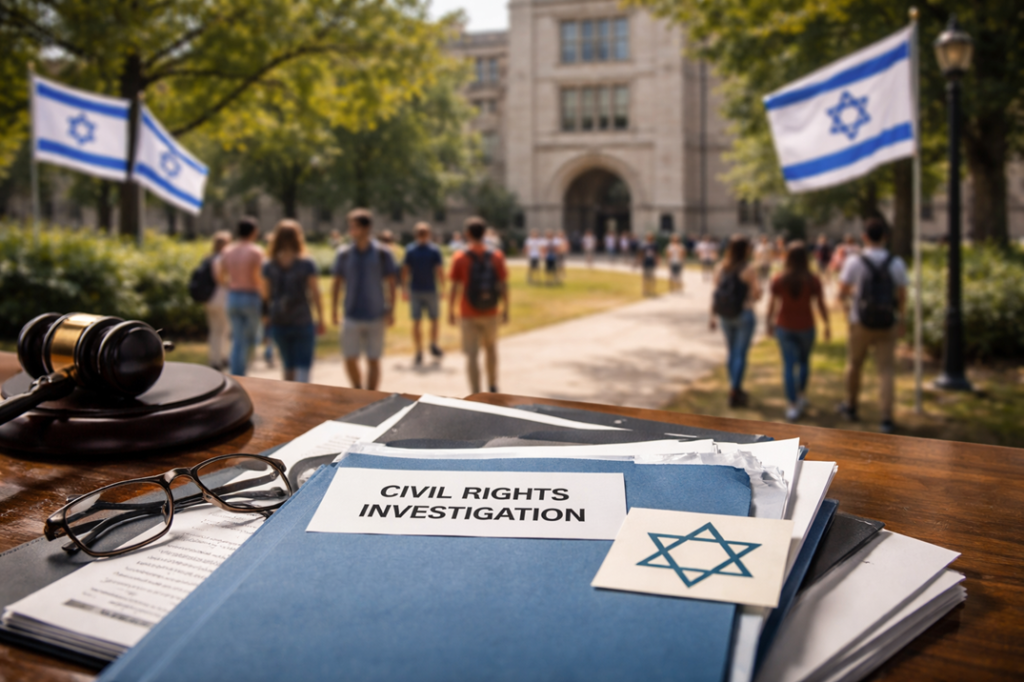
Universities across the United States are confronting a new wave of scrutiny regarding campus climate and student safety. In recent years, federal civil rights enforcement agencies have intensified investigations into antisemitism allegations on college campuses, triggering policy reforms, legal disputes, and national debate about the responsibilities of higher education institutions. The issue sits at the…
Universities across the United States are confronting a new wave of scrutiny regarding campus climate and student safety. In recent years, federal civil rights enforcement agencies have intensified investigations into antisemitism allegations on college campuses, triggering policy reforms, legal disputes, and national debate about the responsibilities of higher education institutions.
The issue sits at the intersection of several competing priorities. Universities are expected to maintain environments that protect student safety while also preserving academic freedom and political expression.
Federal civil rights investigations have emerged as one of the most influential mechanisms shaping how universities respond to these challenges.
Understanding The Legal Framework Behind Civil Rights Investigations
The primary legal tool used in federal investigations of campus antisemitism is Title VI of the Civil Rights Act of 1964. This law prohibits discrimination based on race, color, or national origin in institutions that receive federal funding.
Under federal guidance, antisemitic harassment may fall under Title VI protections because Jewish identity can involve shared ancestry or ethnic characteristics. As a result, universities must take action if discrimination interferes with a student’s ability to access educational opportunities.
Federal investigators typically examine several factors when evaluating university responses:
| Investigation Criteria | Purpose |
|---|---|
| Institutional response to harassment complaints | Determine whether the university acted promptly |
| Campus safety policies | Evaluate protections for targeted students |
| Administrative enforcement procedures | Review disciplinary and reporting systems |
| Campus climate monitoring | Assess whether institutions track discrimination trends |
These investigations are conducted primarily by the U.S. Department of Education’s Office for Civil Rights (OCR).
Why Universities Across The Country Are Under Investigation
Federal enforcement actions have expanded significantly in recent years. The Department of Education has warned 60 universities that they are under investigation or monitoring for alleged antisemitic discrimination and harassment, signaling a nationwide review of institutional policies.
These investigations often begin with formal complaints filed by students, advocacy groups, or civil rights organizations. In some cases, multiple complaints involving similar incidents can trigger broader federal scrutiny of an institution’s policies and leadership responses.
Universities under investigation may face potential consequences if federal authorities determine that they failed to protect students from discrimination. These consequences can include mandated policy changes, monitoring agreements, or financial penalties tied to federal funding.
How Federal Investigations Influence University Policy
Civil rights investigations do not only determine whether a university violated federal law. They also frequently lead to institutional reforms designed to prevent future discrimination.
Typical policy changes resulting from investigations include:
- Expanding bias reporting and complaint systems
- Strengthening campus harassment policies
- Implementing staff and student training programs
- Increasing transparency in disciplinary procedures
In some cases, universities must submit periodic reports to federal authorities demonstrating progress in addressing campus climate concerns.
These reforms can significantly reshape how universities manage student safety and institutional accountability.
The Debate Over Federal Oversight And Academic Freedom
While civil rights enforcement plays a crucial role in protecting students from discrimination, federal involvement in campus governance has sparked controversy.
Some critics argue that aggressive federal investigations risk interfering with academic freedom or political debate on campus. Universities are historically spaces where students engage with controversial ideas, including international politics and social justice movements.
Supporters of stronger federal enforcement counter that protecting students from harassment is a basic obligation of publicly funded institutions. They argue that universities must ensure all students have equal access to educational opportunities without facing intimidation or discrimination.
This debate highlights the complex balance between free expression and institutional responsibility.
Campus Climate Data And Institutional Accountability
Another important impact of federal investigations is the increased emphasis on data transparency and accountability.
Civil rights enforcement agencies often require universities to collect and analyze information about discrimination complaints, student experiences, and administrative responses.
Campus climate assessments may include:
| Data Source | Insight Provided |
|---|---|
| Student surveys | Perceptions of safety and belonging |
| Incident reporting systems | Frequency and type of discrimination complaints |
| Disciplinary records | Institutional response patterns |
| Policy reviews | Effectiveness of prevention measures |
These datasets allow institutions to identify systemic issues rather than responding only to individual incidents.
Legal Cases And Settlements Shaping Campus Policy
Several high-profile legal cases have further intensified attention to antisemitism in higher education.
Federal investigations and civil lawsuits have examined whether universities responded adequately to discrimination complaints or allowed hostile campus environments to develop. In some instances, civil rights agencies have concluded that universities showed “deliberate indifference” to antisemitic harassment, requiring policy reforms and oversight agreements.
Legal settlements may also require institutions to adopt new training programs, reporting systems, and monitoring structures designed to prevent future discrimination.
These outcomes demonstrate how legal accountability mechanisms influence university governance.
The Role Of Student Participation In Campus Policy Reform
Another lesson emerging from these investigations is the importance of student participation in shaping campus policies.
Students often serve as the first observers of changes in campus climate. Their experiences can reveal how institutional policies operate in practice and whether existing protections are effective.
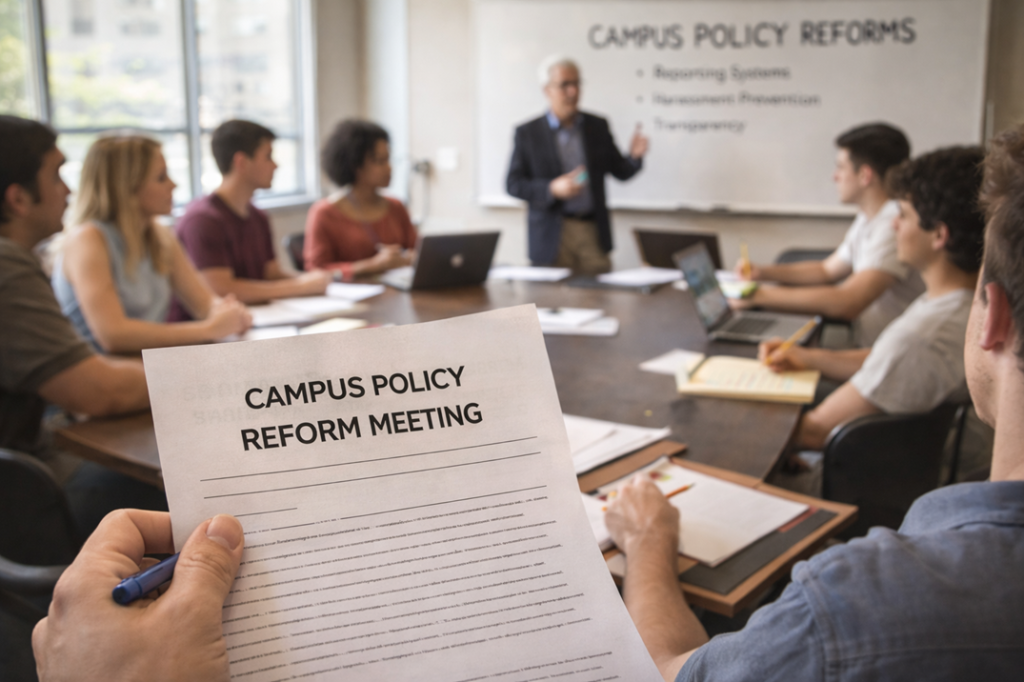
In many universities, administrators now include students in policy review committees, campus climate task forces, and advisory councils.
This participatory approach reflects broader conversations about student advocacy in education policy, where student engagement helps institutions design more responsive governance systems.
What These Investigations Mean For The Future Of University Governance
Federal civil rights enforcement is likely to remain a central factor shaping higher education policy in the coming years.
Universities must now operate in an environment where campus climate, discrimination complaints, and institutional accountability are closely monitored by federal agencies, advocacy groups, and the public.
Institutions that respond proactively—by strengthening reporting systems, improving transparency, and investing in campus dialogue—may be better positioned to navigate this evolving landscape.
For a deeper understanding of federal civil rights protections in education, the U.S. Department of Education Office for Civil Rights overview provides detailed guidance on how Title VI investigations operate and how universities are expected to comply with federal nondiscrimination laws.
Ultimately, the goal of these investigations extends beyond enforcement. They are part of a broader effort to ensure that universities remain places where students from all backgrounds can learn, debate ideas, and participate in academic life without fear of discrimination.
James develops culturally responsive teaching frameworks and equity audit tools used by
over 150 school districts. A former high school teacher, he brings classroom experience to…