
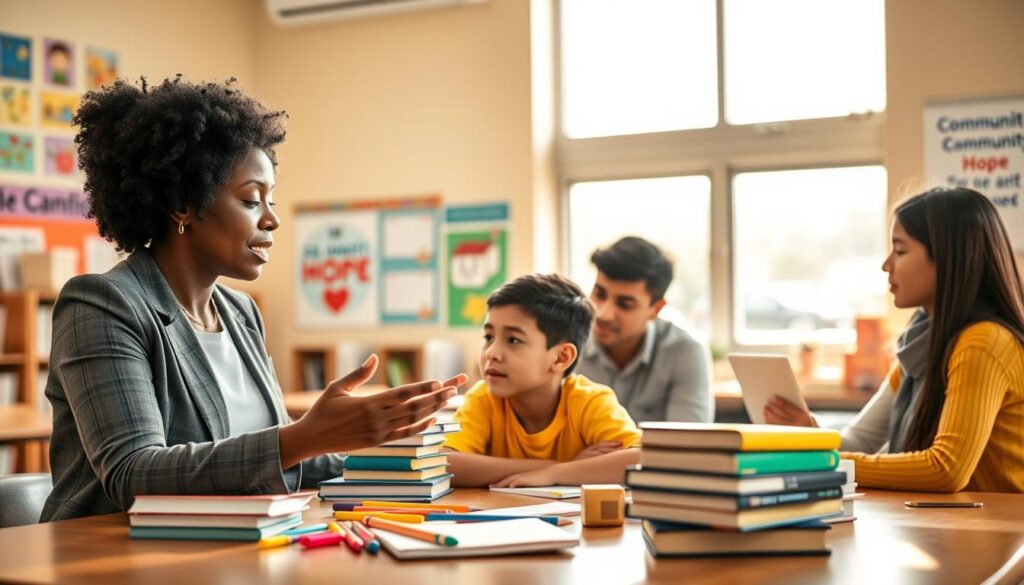
For years, we’ve focused too much on test scores in education. We’ve been fighting the same battle, ignoring the hidden solutions.Researchers found a surprising truth: achievement gaps are just signs of a bigger problem. The real issue is opportunity gaps that affect students before they even start school.When schools and communities work together, amazing things…
For years, we’ve focused too much on test scores in education. We’ve been fighting the same battle, ignoring the hidden solutions.
Researchers found a surprising truth: achievement gaps are just signs of a bigger problem. The real issue is opportunity gaps that affect students before they even start school.
When schools and communities work together, amazing things happen. It’s not just about math homework. We’re talking about practices that heal, curricula that reflect our diversity, and assessments that prepare students for the real world.
It’s like fixing the plumbing instead of just cleaning up spills. Tackling the root causes makes the symptoms disappear. That’s why partnerships are not just helpful—they’re essential for true fairness in education.
Successful Collaborations
Ever wonder what happens when schools stop pretending they’re isolated fortresses and start building bridges instead? Lincoln High School in Nebraska decided to find out – and the results would make even the most cynical education reformer crack a smile.
Here’s the scene: over 30 languages spoken, 65% of students qualifying for free lunch, and opportunity gaps wider than the Nebraska plains. Instead of the usual bandaids, they built what I can only describe as an educational ecosystem. Bilingual career fairs that actually connect kids to real jobs. Affinity clubs where every student finds their tribe. And PBIS – that’s Positive Behavioral Interventions and Supports for the uninitiated – that cut suspensions by 60%.
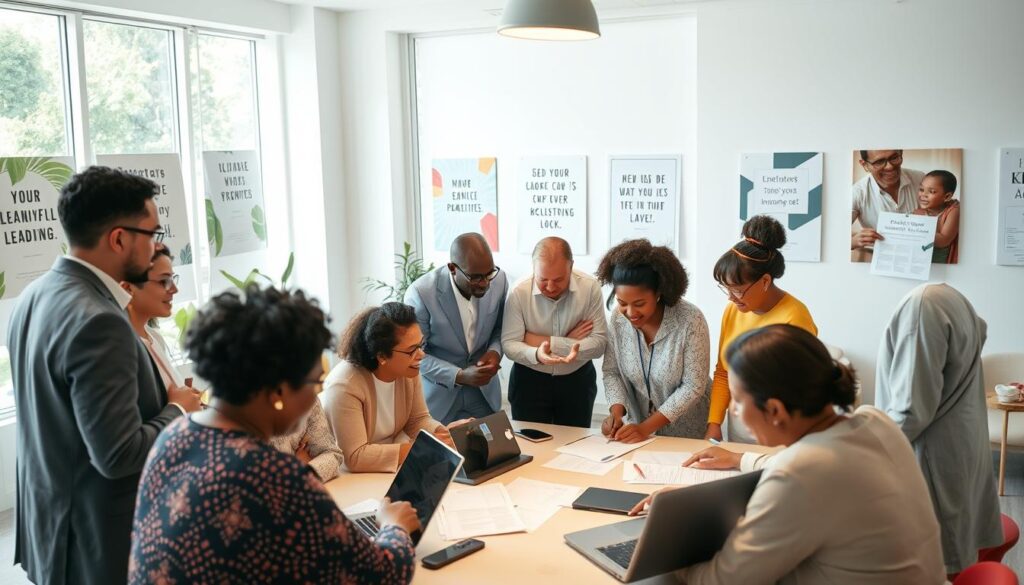
But here’s where it gets really interesting. The real magic happens when these efforts connect to broader social service collaboratives. Think of it as educational networking on steroids.
Enter the By All Means consortium cities. Louisville and Oakland didn’t just form committees – they created children’s cabinets with mayors and superintendents co-chairing the effort. These aren’t your typical bureaucratic talking shops. They’re operational task forces that align health departments, social services, and education systems into a coherent strategy.
The data tells the real story: disciplinary issues dropping while engagement metrics climb. It’s almost as if when you treat the whole child – not just the test-taking version – outcomes improve. Who knew?
These partnerships demonstrate how closing equity gaps with community partnerships creates a multiplier effect. Schools provide the infrastructure and daily touchpoints. Community organizations bring specialized expertise and resources. Local government ensures policy alignment and scaling.
The lesson? Effective social service collaboratives don’t just share resources – they create new ones through synergy. It’s educational alchemy that turns isolated efforts into systemic change. And frankly, it’s about time we stopped acting surprised when collaboration actually works.
Shared Resources
Ever wonder what happens when schools stop being exclusive and start being like public libraries? The magic of shared resources turns schools into community hubs that are always open.
Take Lincoln High School’s approach: they’re like a 24/7 diner for learning. Nights are for internet and tutoring. Saturdays are for programs like Spanish for Heritage Learners. It’s like they say, “we never close” – and it works.
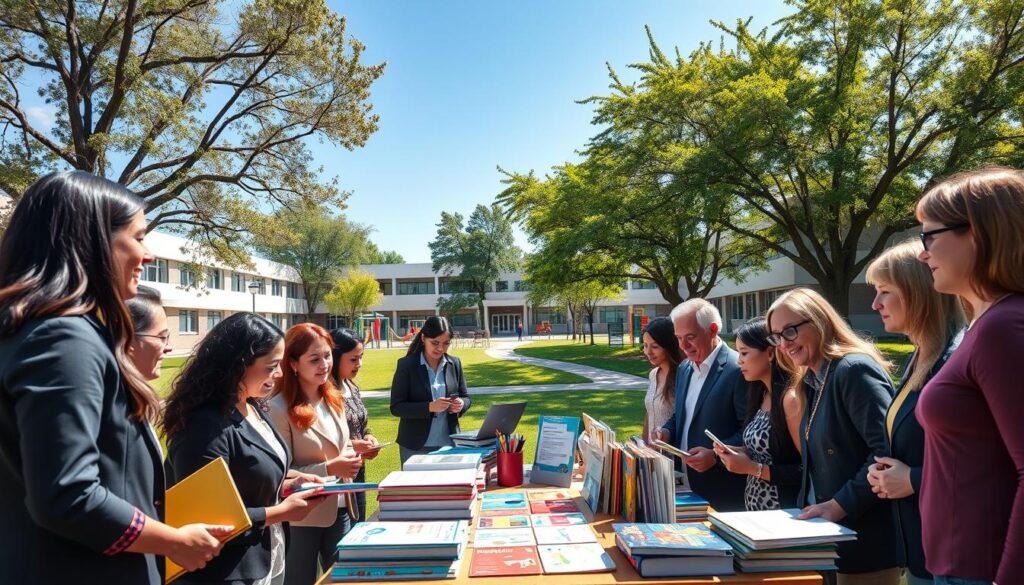
These school community partnerships create something amazing. They make mental health services, advanced placement courses, and bilingual programs available to all. The Coalition for Community Schools says learning grows when we share resources and break down barriers.
The numbers show it’s true: more students show up, fewer drop out, and they actually want to be there. Treating education like a shared meal makes sure everyone gets a chance to learn.
This isn’t just a nice idea – it’s proven to work. Research shows effective resource sharing improves education. The best part? It’s not about finding new resources, but using what we already have better.
Community schools see the building as a shared resource. Chairs, wifi, and knowledge are for everyone. It’s a form of educational socialism that even capitalists can support, because it invests in people’s futures.
So, when someone says “we don’t have enough,” remember: it’s not about having more, it’s about sharing what we have. Shared resources turn schools into lively community centers where learning never stops.
Family Engagement
The old PTA model is outdated, like dial-up internet. True family engagement means parents are active in their child’s education. It’s about creating a support system where everyone works together.
Lincoln High School has found a way to make it work. They have a full-time parent and community engagement specialist. This person acts as a bridge between families and resources.
They have a parental advisory committee and partnerships with other organizations. These social service collaboratives offer counseling, therapy, and health services at school. It’s like having everything you need in one place.
The Coalition for Community Schools says this approach builds a supportive culture. When families are involved, students do better than just attending school.
Studies show better attendance and stronger relationships. Communities start to care more about their schools. It’s not just about learning; it’s about creating a better environment.
These social service collaboratives turn schools into community centers. Parents become active in their child’s education. It’s like going from watching a game to playing in it.
In short, family engagement through partnerships is key. Students get support, parents have a say, and schools become community centers. It’s a win-win situation for everyone.
Community Impact Measurement
Let’s get to the heart of the matter: how do we know if these partnerships really make a difference? The Schools of Opportunity project showed us real results. Test scores went up, suspensions dropped, and more students graduated.
Detracking and expanding IB programs were more than just buzzwords. They were real steps toward fairness in education.
The growth mindset and Common Core’s habits of mind match what good school community partnerships aim for. They focus on perseverance, practical application, and feedback. But, as the By All Means report showed, lasting change needs more than just good intentions.
It takes strong mayoral leadership, teamwork across agencies, and community support. This is what makes a real difference.
Effective social service collaboratives don’t just collect data. They use it to guide toward true fairness. Funding is based on results, and results need to show real change.
When we focus on what truly changes communities, we build support for what works. This is the key to lasting success.
The proof is clear: investing in the whole person brings big rewards. The real question is, can we afford to keep going without these partnerships?
James develops culturally responsive teaching frameworks and equity audit tools used by
over 150 school districts. A former high school teacher, he brings classroom experience to…